
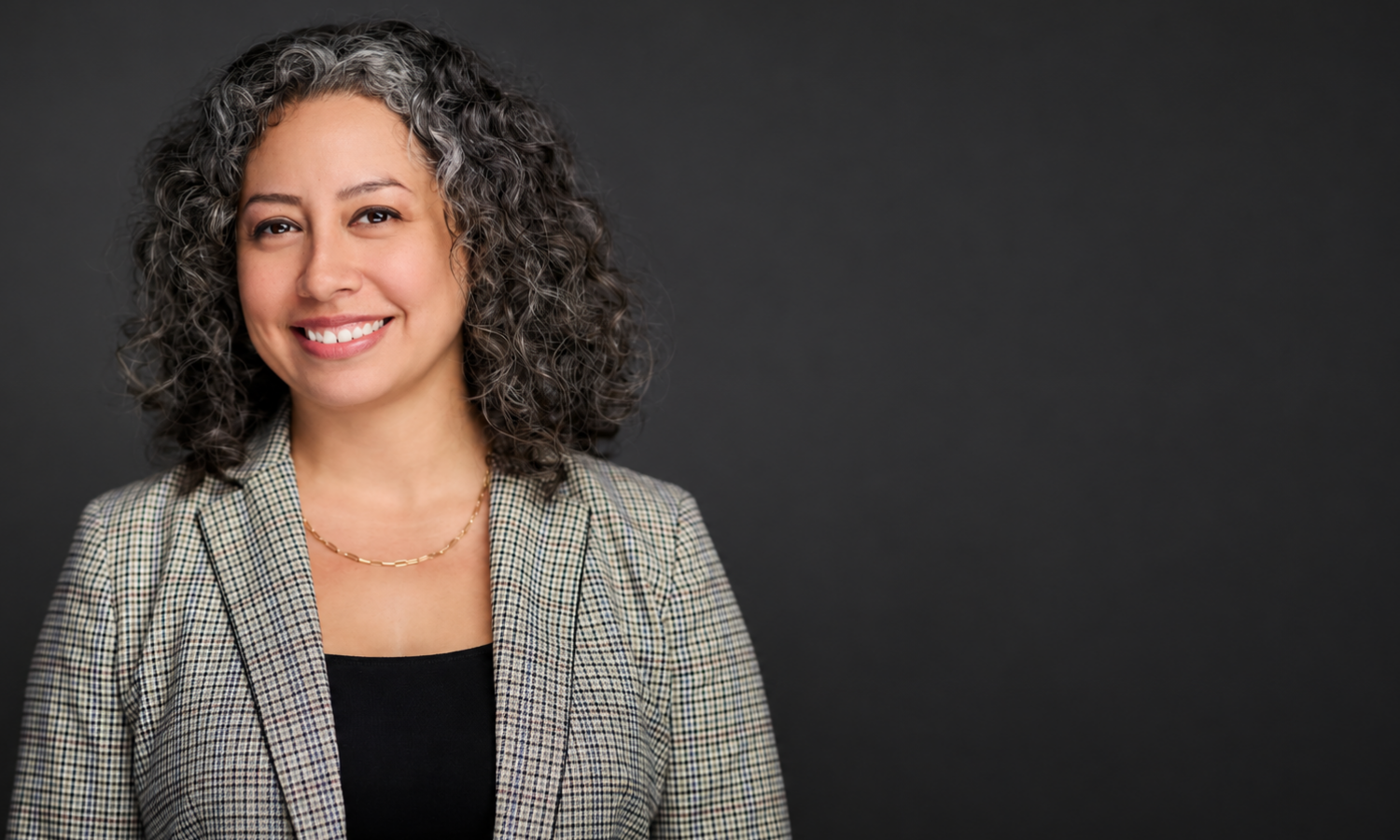
I went to law school later in life than most people. I remember asking myself, “What did I get myself into?” when I was looking for a job as a student law clerk. At the time, Creighton University School of Law held on campus interviews to make it easy for students to participate.
When I researched the law firms that were coming to campus for interviews, my stomach began to hurt. There were very few women attorneys of color at those firms, and even fewer Latina attorneys. I immediately wondered how I would be treated by attorneys who did not look like me. What assumptions would they make about me? Where would I fit?
During my orientation at Creighton, I recall looking around for other minorities. I was able to pick out maybe five other minorities. The school did better with the class that came after I started because it was significantly more diverse. I know other Latino attorneys. Some I met through my work and some I met while at law school.
I have worked in Douglas, Sarpy, Washington, Lancaster, Saunders, Cass, and Otoe Counties. From my own experience, I am often the only Latina in the courtroom, and even more often the only Latino legal professional. Thinking back to my last three evidentiary hearings, I was the only person of color in the courtroom.
As is true for many Latinos residing in the United States, I was born here, and my first language is English. Unfortunately, I do not speak Spanish, at least not in any meaningful way. But I look like I do. And that is hard.
People speak to me in Spanish all the time, and I can usually understand what they are asking. I can usually gesture to the location of the bathroom or respond minimally in some way.
What does this have to do with anything?
While I am not the only person to have this experience, it can feel particularly isolating in a profession where the people in the room so often do not share my background. And that feeling of being alone is universal, especially at a time when a person is looking for legal representation.
When no one looks like you, it can feel like you are not welcome or that you do not belong.
That matters in the legal system. It matters even more in family law, where people are often walking into an attorney’s office carrying some of the most personal parts of their lives with them: their children, their relationships, their finances, their fears, and the future of their family.
I strive to make everyone feel welcome and listened to. For me, representation is not only about who is standing at counsel table. It is also about whether the person sitting across from me feels respected enough to tell me the truth about their life, ask questions without embarrassment, and trust that they will be taken seriously.
I am part of an incredibly supportive team at McGill Law. We support each other and we support our clients. Our clients come to us from different families, cultures, communities, and life experiences. They do not all look alike, sound alike, or come to us with the same story. They should not have to.
I cannot change every courtroom I walk into or make the legal profession more representative by myself. But I can pay attention to who may be wondering the same things I once wondered: Will I belong here? Will they understand me? What assumptions will they make about me?
And in my work as a family law attorney, I can do my part to make sure the answer begins with something simple: you will be treated with dignity, you will be heard, and your story matters here.
About the Author
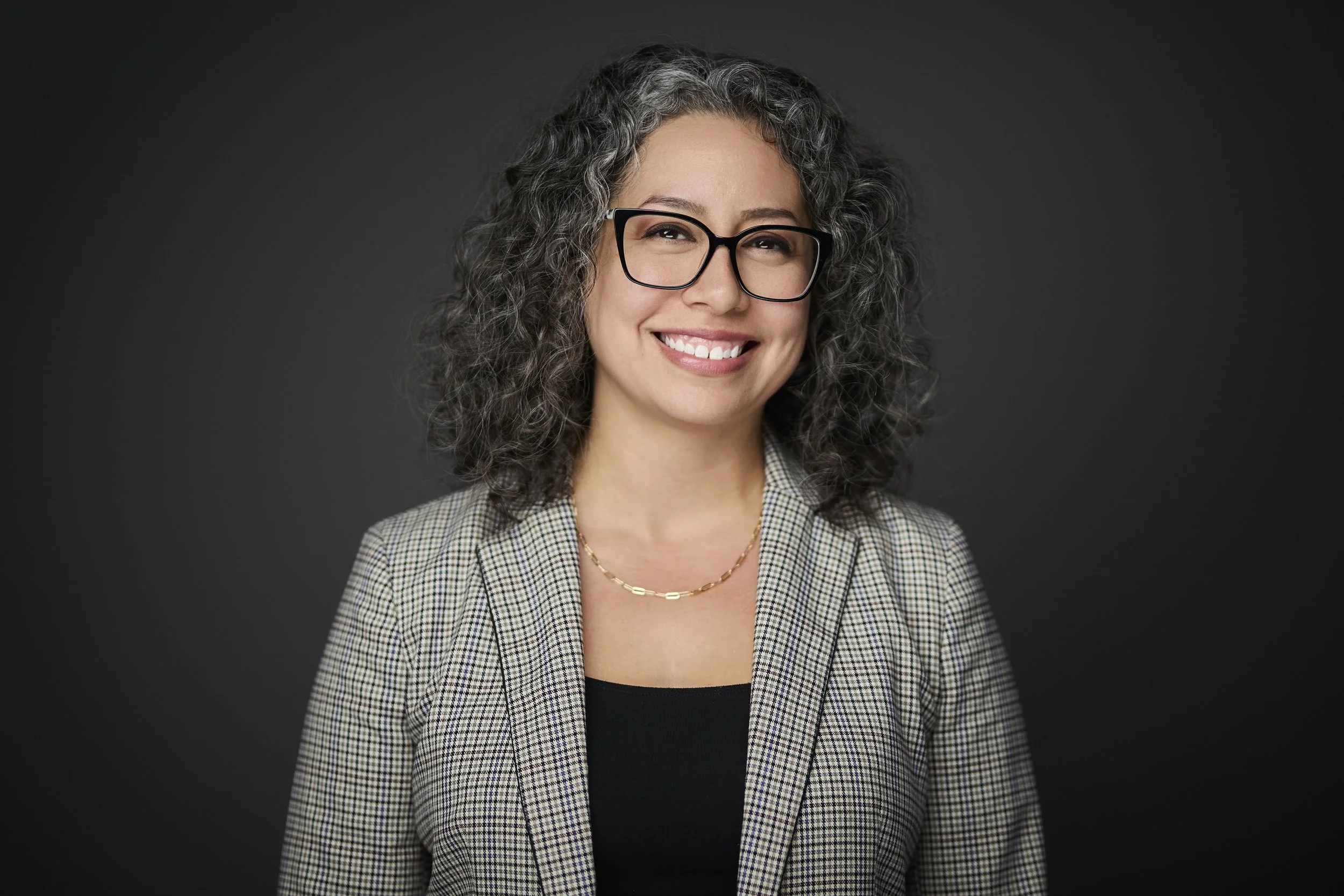
Ashley Palma is an Associate Attorney at McGill Law. She focuses on helping individuals and families protect their rights through thoughtful legal planning and representation. Ashley works with clients across Nebraska on matters including name changes, estate planning, and family law. Her compassionate, inclusive approach helps clients feel seen, heard, and protected.